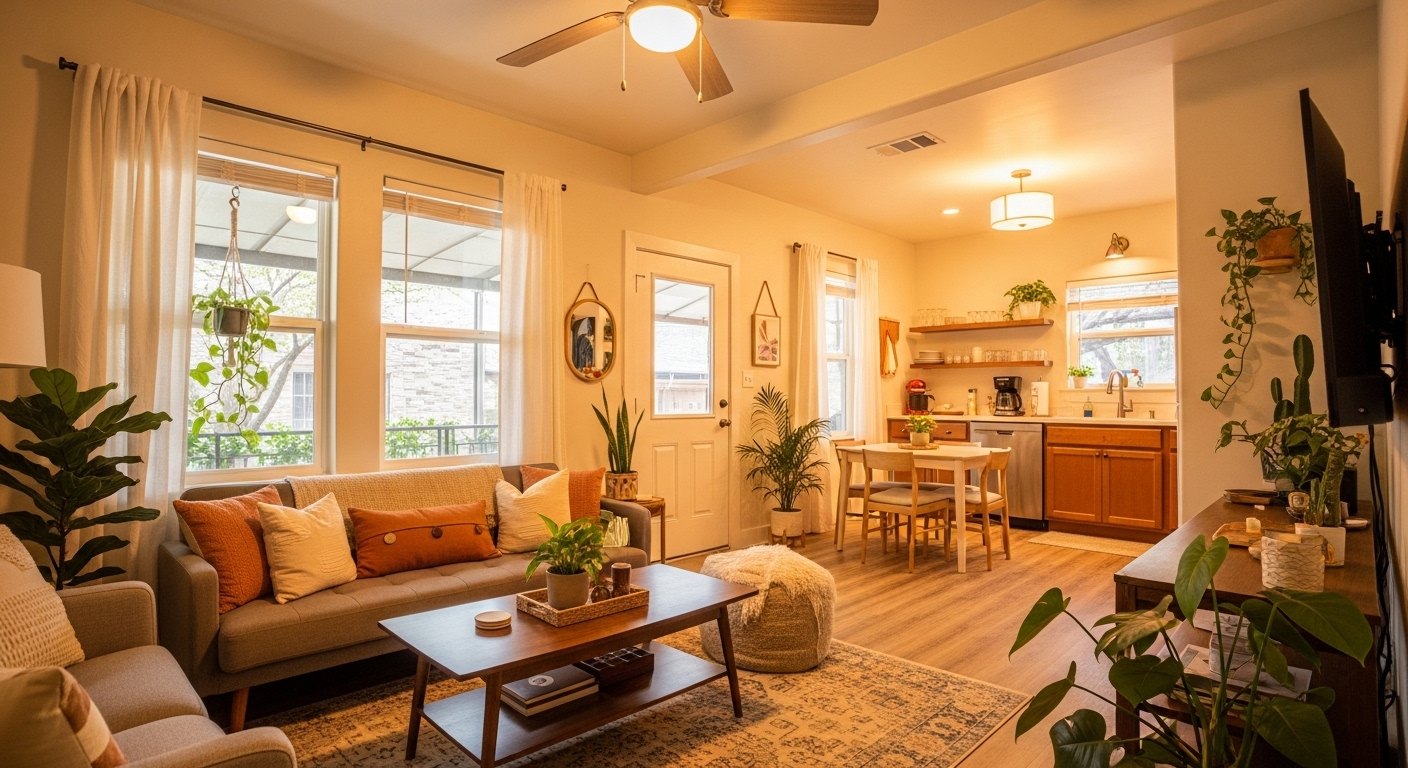
Hosting can feel like a constant scramble, keys, messages, pricing, arrivals, or it can run like a system. The whole stack costs us under $100 a month and saves hours every single week. The difference is a handful of well-chosen tools. We deliberately keep our tech stack simple and reliable, automating the repetitive logistics so we can focus on the guest experience. Here's the tech stack that quietly runs our rentals.
Keep It Simple and Reliable
Our first principle is restraint: a few reliable tools beat a sprawling stack of gadgets. We automate the parts of hosting that are repetitive and logistical, access, pricing, arrival lighting, scheduling. And leave the human parts human. Over-automating makes a stay feel impersonal and adds points of failure. A simple, dependable stack does the boring work without getting in the way.
Smart Locks for Self Check-In
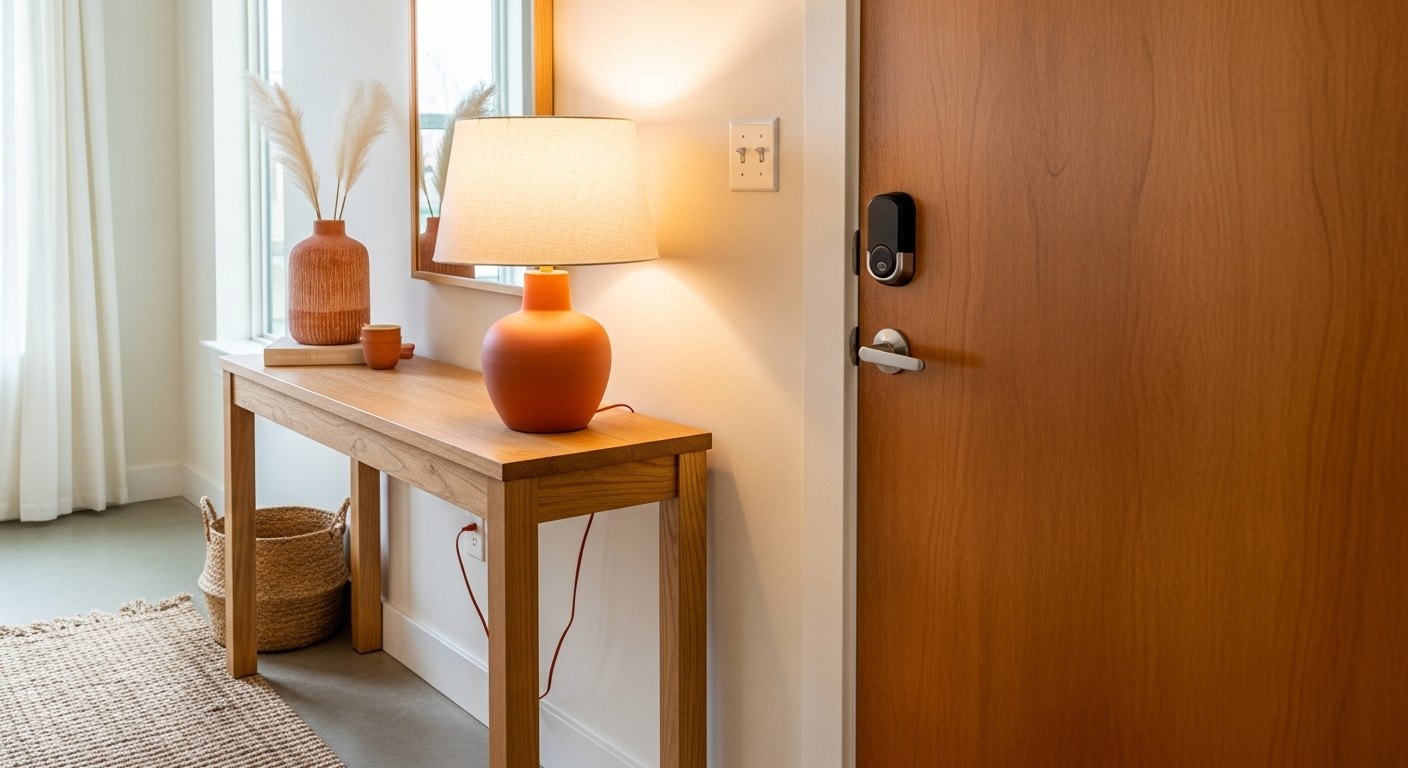
The single highest-value piece of hosting tech is a smart lock. It enables reliable self check-in with a unique code per guest, removes the hassle and risk of physical key handoffs, and lets us manage access remotely. Since arrival is a major driver of reviews, a smart lock that makes check-in effortless, no waiting, no lost keys, pays for itself in smoother stays and freedom from in-person handoffs.
Fast, Reliable Wifi
Wifi is now an expectation, not a perk, and a slow or flaky connection is a common complaint. We invest in fast, reliable wifi and a strong router, make the password obvious, and treat connectivity as a core utility. For guests who work or stream, good wifi is non-negotiable, and it's one of the cheapest ways to prevent a frustrated review. Never cut corners on the connection.
Smart Plugs for Warm Arrival
One of our favourite cheap tricks is smart plugs on the lamps and plug-in sconces. They let us schedule or remotely switch on warm lighting so the space glows welcomingly the moment a guest arrives, even in the dark. Pairing smart plugs with plug-in fixtures and lamps automates a warm, boutique-hotel arrival with no rewiring, a small touch that lands big in reviews.
Dynamic Pricing
A dynamic pricing tool adjusts our rates to demand, seasonality, and local events, capturing more revenue than a flat rate and saving constant manual updating. We set sensible minimums and review the output rather than fully trusting the algorithm. But letting a tool match price to demand is one of the clearest revenue wins in the stack. Pricing is too dynamic to manage by hand.
Noise Monitoring Where It Fits
For some units, a privacy-respecting noise monitor (decibel-level only, no recording) helps protect against parties and neighbour complaints without intruding on guests. It's not right for every property, but where noise or neighbours are a concern, it's a useful safeguard. We're transparent about it in the listing, which keeps it firmly on the right side of guest trust.
Scheduling and Channel Tools
Running more than one listing, a channel manager or scheduling tool keeps calendars, bookings, and turnovers coordinated across platforms and units, preventing double-bookings and turnover clashes. Even with message templates for fast, consistent communication, we personalise each one. The scheduling layer is what lets a small portfolio run smoothly without things falling through the cracks.
Tech Serves the Guest, Not the Other Way Around
The thread through our whole stack is that tech handles the mechanics so we can focus on the experience. Smart locks, wifi, smart plugs, pricing, and scheduling automate the logistics; warm communication and thoughtful touches stay human. Used this way, a simple tech stack turns hosting from a scramble into a calm, consistent system, without ever making a guest feel they're staying in a machine.
Shop this post: plug-in wall sconces and smart-ready pendant lights