Not every apartment makes a good short-term rental, and choosing the wrong one is an expensive mistake to fix. We pass on nineteen out of twenty, and the one we take has to pencil out to at least a 15% cash-on-cash return. Over several flips, we've developed a clear set of filters for which units to buy and which to walk away from. Here's how we choose which apartments to flip, and the checks we never skip before committing.
Location and Demand First
Everything starts with location and demand. We look for areas with strong, steady guest demand, near attractions, business districts, transit, or reliable seasonal draws, in safe, appealing neighbourhoods with convenient access. Crucially, we verify demand from comparable listings' real occupancy, not just a neighbourhood's reputation. Year-round or dependable seasonal demand matters more than a trendy address. Without demand, nothing else saves a unit.
Check the Regulations
Before we get attached to any unit, we verify the short-term-rental regulations, city rules, permits. And building or HOA restrictions, because a great apartment is worthless as a rental if you can't legally operate it. Rules vary enormously and some areas prohibit or heavily restrict short lets. This regulatory due diligence is the most important and most overlooked step, and we never skip it. Legality is non-negotiable.
Read the Layout
We assess how a layout will actually function for guests, does it have a workable sleeping area, a comfortable sitting space, somewhere to eat, and room for luggage? A good guest layout flows naturally and feels complete; an awkward one fights you no matter how you style it. We can fix finishes easily, but a fundamentally poor layout is hard and costly to change, so we weigh it heavily.
Cosmetically Dated, Structurally Sound
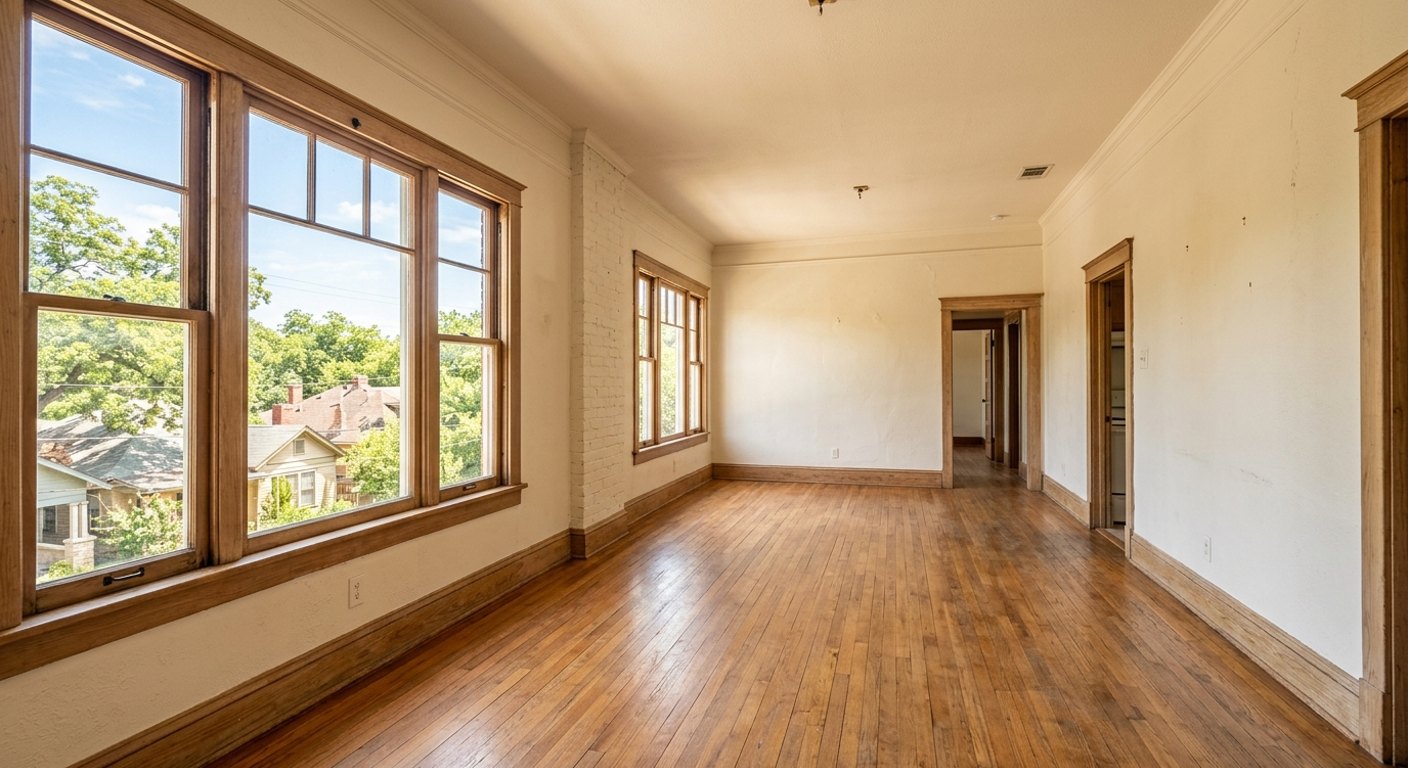
Our ideal flip is ugly but fine, cosmetically dated, structurally sound. Those units are cheaper to buy and need only a refresh (paint, lighting, surfaces, furnishing), not expensive structural work. We're wary of serious structural, damp, or systems problems unless the price reflects them, because hidden renovation costs destroy returns. The sweet spot is a tired apartment with good bones that a smart refresh transforms.
Run the Numbers Conservatively
Before buying, we model the numbers conservatively, comparable rates and occupancy, all-in costs (purchase, renovation, turnover, supplies, fees, maintenance), and the projected return at realistic, not optimistic, occupancy. If a unit only works at near-full occupancy or a premium rate, we're cautious. Evidence-based, conservative projections are what separate a sound investment from a hopeful one, and they've talked us out of more than one tempting unit.
Picture the Finished Rental
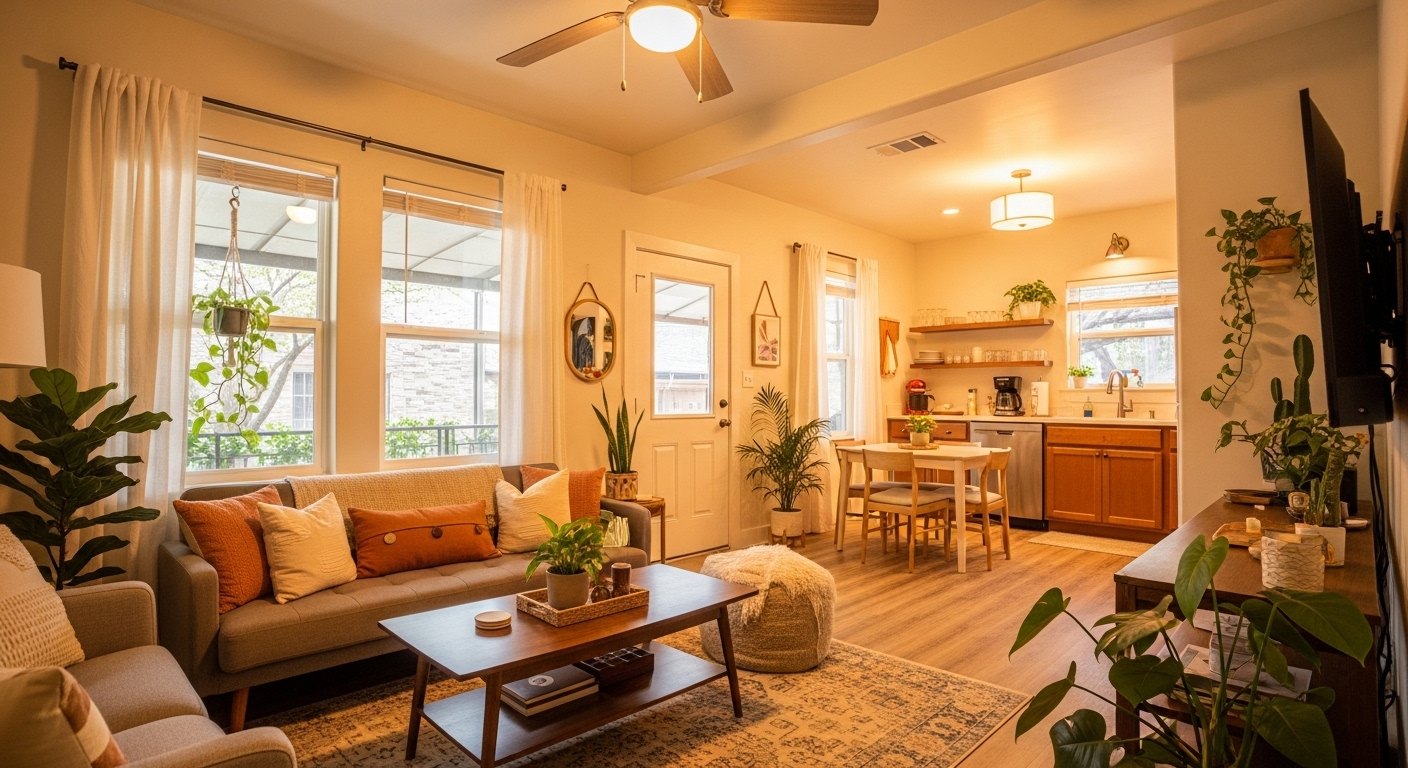
With the fundamentals checked, we picture the finished rental, how the refresh, the warm lighting, and the styling will transform it. A unit with good bones, a workable layout, and demand can become something special with paint, plug-in sconces, a statement pendant, and smart furnishing. Being able to see the finished, warm, photogenic stay in a tired apartment is part of choosing well. But only after the numbers and rules check out.
Know When to Walk Away
Just as important is discipline about walking away, from units in weak-demand areas, with prohibitive regulations, poor layouts, hidden structural costs, or numbers that don't work. The deals we didn't do have protected us as much as the ones we did. A great-looking apartment that fails the demand, legal, layout, or numbers test is not a good flip, however charming it is. Saying no is a skill.
The Filters, In Order
So the order is clear: demand, regulations, layout, condition, and numbers. And a unit has to pass all of them. Get those right and the flip itself (refresh, warm lighting, styling) is the fun, reliable part. Most of the success of a short-term rental is decided before you buy it, in choosing the right apartment. Choose well, and everything downstream gets easier.
Shop this post: plug-in wall sconces and statement pendant lights