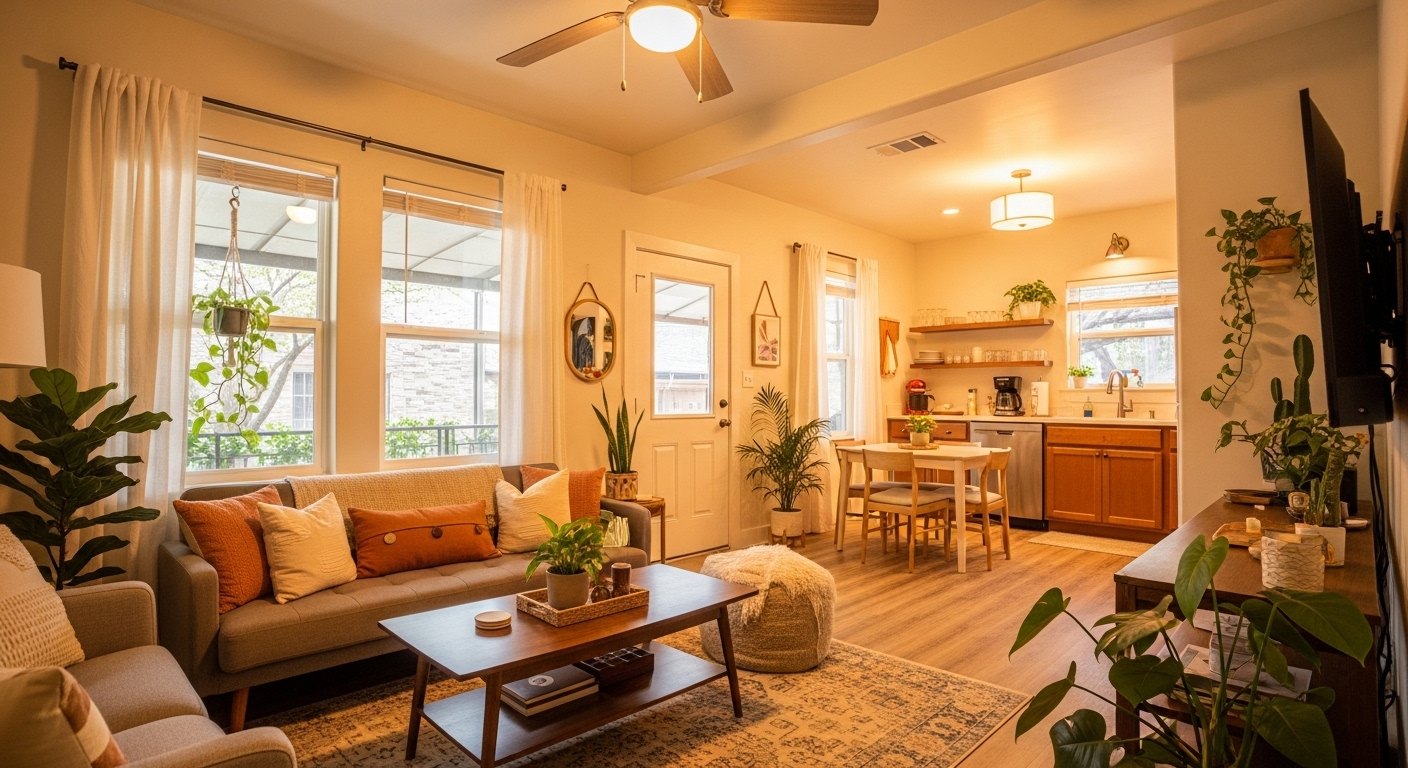
A short-term rental can photograph beautifully and still earn mediocre reviews. The gap shows up in the numbers: a 4.6 average and a 4.9 average book very differently. We've seen it. And made the mistake ourselves. Striking listing photos win the booking, but the lived experience wins the review, and the two aren't the same skill. The best rentals are designed for reviews, not just photos. Here's what that means in practice.
Photos Earn the Booking, the Stay Earns the Review
It's worth being clear about the division of labour: listing photos get a guest to book. But how the space actually feels to stay in gets them to leave five stars. Design only for the camera and you'll win clicks and lose reviews, a beautiful space that's uncomfortable or impractical disappoints in person. The goal is a rental that's as good to stay in as it is to look at.
Design for How Guests Live
Designing for reviews means thinking about how guests actually use a space, not just how it frames in a photo. Where do they put their suitcase? Where's the light to read by? Where do they set a coffee down? We walk through a guest's real day and design for those moments. The practical, lived realities that a styled photo never shows but every guest feels.
Comfort Over Looks, When They Conflict
Occasionally comfort and looks conflict, a stylish-but-stiff sofa, a beautiful-but-hard bed. And for a rental, comfort wins, because comfort drives reviews. We choose the genuinely comfortable sofa and the genuinely good mattress even when a more photogenic option exists, then style around them. A space that looks 90% as good but feels twice as comfortable earns far better reviews. Comfort is the priority.
Lighting You Can Actually Use
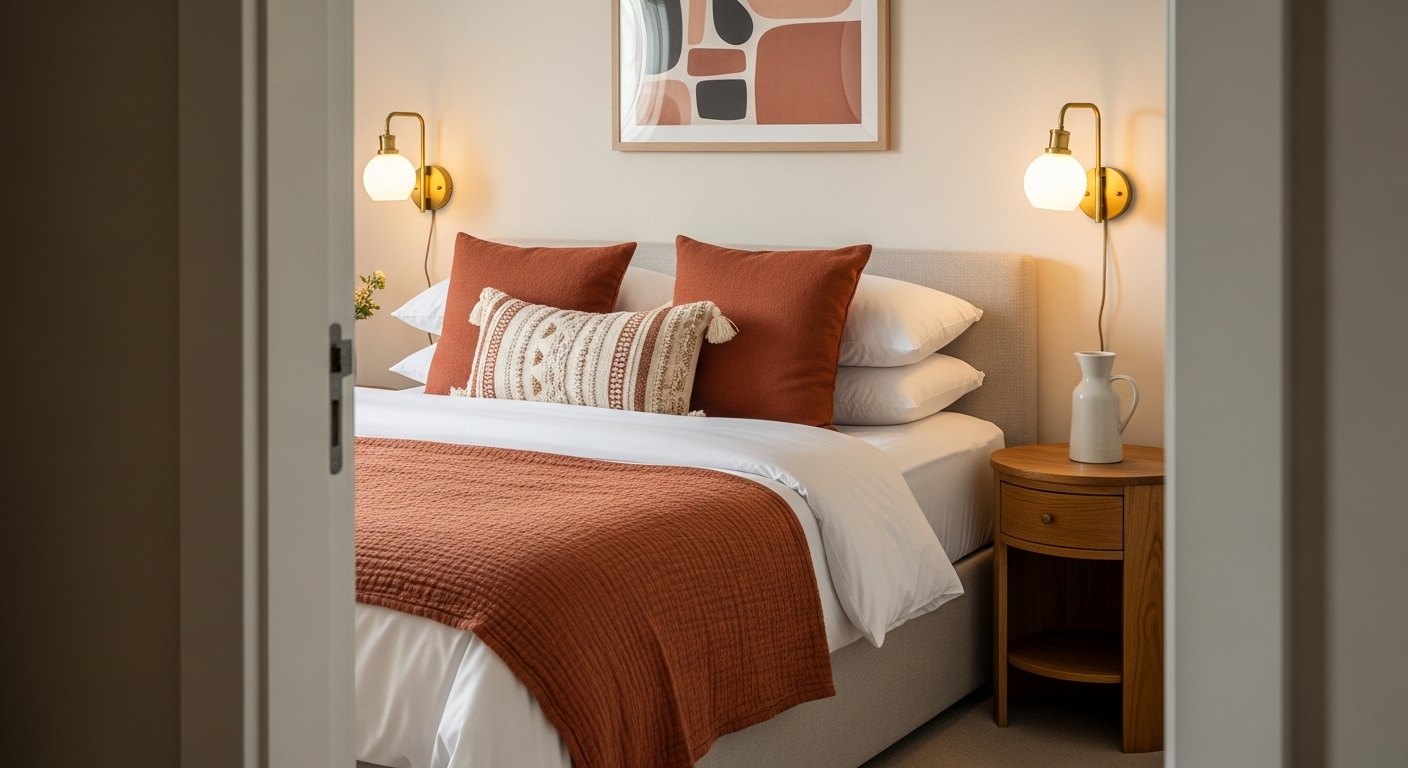
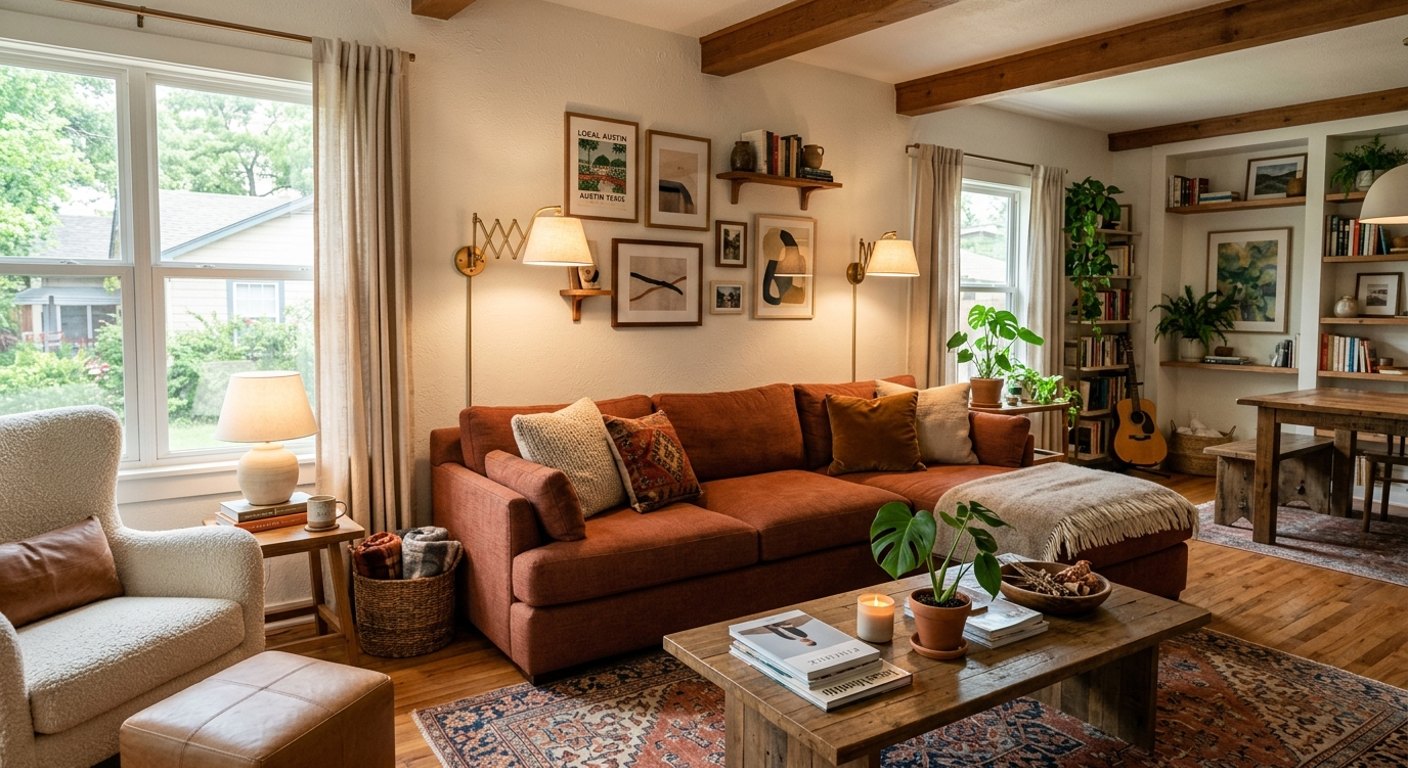
Lighting is the clearest example of designing for the stay. Beyond looking warm in photos, the light has to work for how guests live, bedside sconces to read by, task light to cook by, plug-in sconces and lamps for cozy evenings, ideally dimmable. Warm, layered, practical lighting shapes the real experience, not just the shot. We design the lighting for use, and it earns reviews as well as clicks.
The Practical Details
Reviews live in the practical details: surfaces within reach of the bed and sofa, generous storage and luggage space, enough hangers, good wifi, easy check-in, a well-equipped kitchen. None of these photograph as 'features,' but their presence or absence defines the stay. We design these in deliberately, because the functional details are what guests actually thank you for in a review.
Sweat the Arrival and the First Hour
A guest's review is heavily coloured by their first hour. The arrival, the warmth of the welcome, whether things just work. So we design that first hour carefully: warm light on arrival, obvious instructions, an easy lock, a tidy welcome. A space designed for reviews makes those first moments effortless and warm, setting a tone that carries through the whole stay and into the rating.
Test It Like a Guest
Before a unit goes live, we stay in it ourselves, sleep in the bed, make coffee, read at night, use the bathroom, to find what designing-for-photos missed. This guest's-eye test surfaces the hard pillow, the awkward outlet, the missing surface that no amount of styling reveals. Testing a rental as a guest is the single best way to design for reviews rather than just the camera.
Do Both, But Prioritise the Stay
The best rentals are beautiful and comfortable, photogenic and practical. But when you have to choose, design for the stay. Photos fill the calendar; the lived experience fills it again with repeat guests and five-star reviews. Build for how it feels to actually be there, light it for real use, sweat the practical details, and a rental earns the reviews that photos alone never could.
Shop this post: bedside wall sconces and plug-in wall sconces
Our friend Ava at The Marlowe House designs rooms that are as comfortable to live in as they are to photograph. The same balance every rental needs.